When you’re starting fertility treatment, one of the first questions you probably ask is: how long does it take to get pregnant with IVF?
The answer depends on your unique situation, but for many patients, one IVF cycle, from the start of ovarian stimulation to a pregnancy test, takes about 6 to 8 weeks. However, that timeline can be longer if additional testing, embryo freezing, genetic testing, or multiple treatment cycles are needed.
Understanding each step of the IVF process can help you set realistic expectations and make the journey feel more manageable. Here’s what you can typically expect when considering how long IVF takes.
How Long Does It Take to Get Pregnant with IVF?
Although every treatment plan is personalized, a typical IVF timeline looks something like this:
- Initial consultation and fertility testing: 2–6 weeks
- Ovarian stimulation: 8–14 days
- Egg retrieval: 1 day
- Fertilization and embryo development: 5–7 days
- Frozen embryo transfer preparation (if applicable): 3–6 weeks
- Embryo transfer: 1 day
- Pregnancy test: About 9–14 days after embryo transfer
For patients completing a frozen embryo transfer, the entire process often takes approximately 2 to 4 months from the initial consultation through pregnancy testing. Some patients may move more quickly, while others require additional time depending on their treatment plan.
The Stages of IVF
Let’s look at each stage in more detail to see how long they take.
Phase 1: Initial Consultation and Fertility Evaluation
Your IVF journey begins with a comprehensive fertility evaluation. During this stage, your fertility specialist reviews your medical history, discusses previous fertility treatments, and orders diagnostic testing.
Testing may include:
- Blood work to evaluate hormone levels
- Ovarian reserve testing
- Ultrasound examinations
- Semen analysis
- Additional diagnostic testing when appropriate
These results help your physician develop an individualized treatment plan designed around your specific fertility needs.
Phase 2: Ovarian Stimulation (About 8–14 Days)
Once your treatment cycle begins, you’ll take injectable fertility medications that stimulate multiple eggs to mature at the same time. Throughout this period, your care team closely monitors your response with ultrasounds and blood tests.
The goal is to identify the optimal time for egg retrieval, balancing egg maturity with safety.
Because each patient responds differently to medication, this phase may last slightly longer or shorter than average.
Phase 3: Egg Retrieval
Egg retrieval is a minimally invasive outpatient procedure performed under sedation.
Using ultrasound guidance, your physician collects mature eggs from the ovaries. Most patients return home the same day and resume normal activities within a day or two, although your doctor will provide individualized recovery instructions.
After retrieval, embryologists fertilize the eggs with sperm in the laboratory.
Phase 4: Embryo Development (5–7 Days)
Following fertilization, embryos develop in the laboratory for several days while embryologists monitor their growth.
Depending on your treatment plan, your physician may recommend:
- A fresh embryo transfer
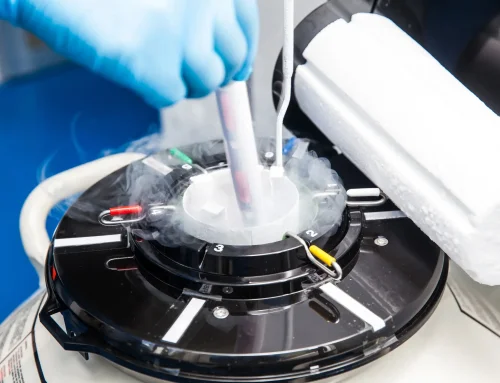
- Freezing embryos for a future transfer
- Preimplantation genetic testing (PGT) before transfer
If genetic testing is performed, embryos are typically frozen while results are processed, which extends the overall timeline by several weeks.
Phase 5: Embryo Transfer
For many patients today, a frozen embryo transfer (FET) is part of the IVF process.
Before the transfer, you may have to take medications that prepare the uterine lining to create the best possible environment for implantation. This preparation usually takes several weeks.
The embryo transfer itself is a relatively quick procedure that generally doesn’t require anesthesia.
Phase 6: The Two-Week Wait
After embryo transfer comes what many patients consider the most emotionally challenging part of IVF: waiting for the pregnancy test.
Approximately 9 to 14 days after embryo transfer, your clinic performs a blood test that measures human chorionic gonadotropin (hCG), the hormone produced during pregnancy.
While home pregnancy tests may seem tempting, your fertility clinic will likely recommend waiting for your scheduled blood test because it provides the most accurate result.
What Can Make IVF Take Longer?
No two IVF journeys are exactly alike. Several factors can affect how long it takes to become pregnant.
Age
Age remains one of the strongest predictors of IVF success because both egg quantity and egg quality naturally decline over time.
Your Fertility Diagnosis
Conditions such as endometriosis, polycystic ovary syndrome (PCOS), diminished ovarian reserve, uterine abnormalities, or male factor infertility may influence both treatment planning and overall timeline.
Response to Fertility Medications
Some patients respond quickly to ovarian stimulation, while others require medication adjustments or additional monitoring before egg retrieval.
Genetic Testing
If you choose preimplantation genetic testing (PGT), embryos are typically frozen while testing is completed before transfer, adding several weeks to the process.
Multiple IVF Cycles
Not every IVF cycle results in pregnancy. Some patients become pregnant after their first embryo transfer, while others require additional transfers or treatment cycles. Individual success rates vary based on factors such as age, diagnosis, embryo quality, and reproductive history.
The CDC recommends reviewing clinic-specific success rates and individualized estimates rather than relying on averages alone.
Does IVF Guarantee Pregnancy?
Unfortunately, no fertility treatment can guarantee pregnancy.
IVF offers many patients the highest chance of pregnancy among assisted reproductive technologies, but success depends on multiple factors, including age, embryo quality, underlying fertility conditions, and overall reproductive health.
Because success varies from person to person, the CDC provides both national clinic data and an IVF Success Estimator that can help patients better understand their individualized chances of having a live birth.
Every Fertility Journey is Unique
If you’re wondering how long it takes to get pregnant with IVF, most patients should expect the process to take approximately 2 to 4 months from the initial consultation through pregnancy testing when completing a frozen embryo transfer cycle. For some, pregnancy occurs after the first transfer. For others, achieving a successful pregnancy may require additional time and more than one cycle.
While waiting can feel difficult, understanding the timeline and working with an experienced fertility team can help you move through each step with more confidence.
If you’re considering IVF, the specialists at Red Rock Fertility are here to create a personalized treatment plan, answer your questions, and guide you through every stage of your fertility journey. Schedule an appointment to learn more!